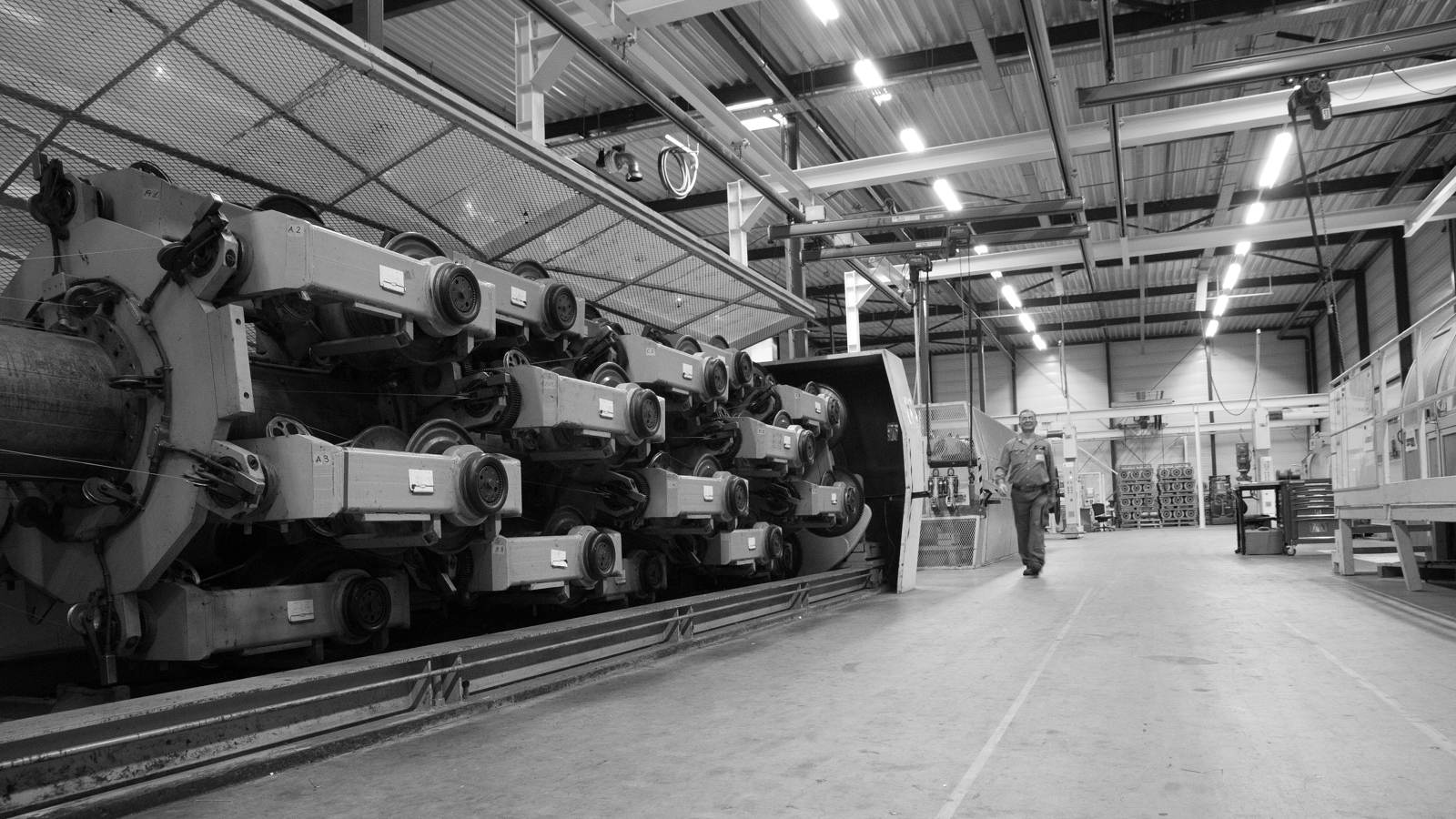
Subsea cables are stored on land and (mainly) used in water. That means the temperature difference between deploying and retrieving can be high. Therefore, controlling the cable's temperature in-field is often a challenge.
Recent Posts
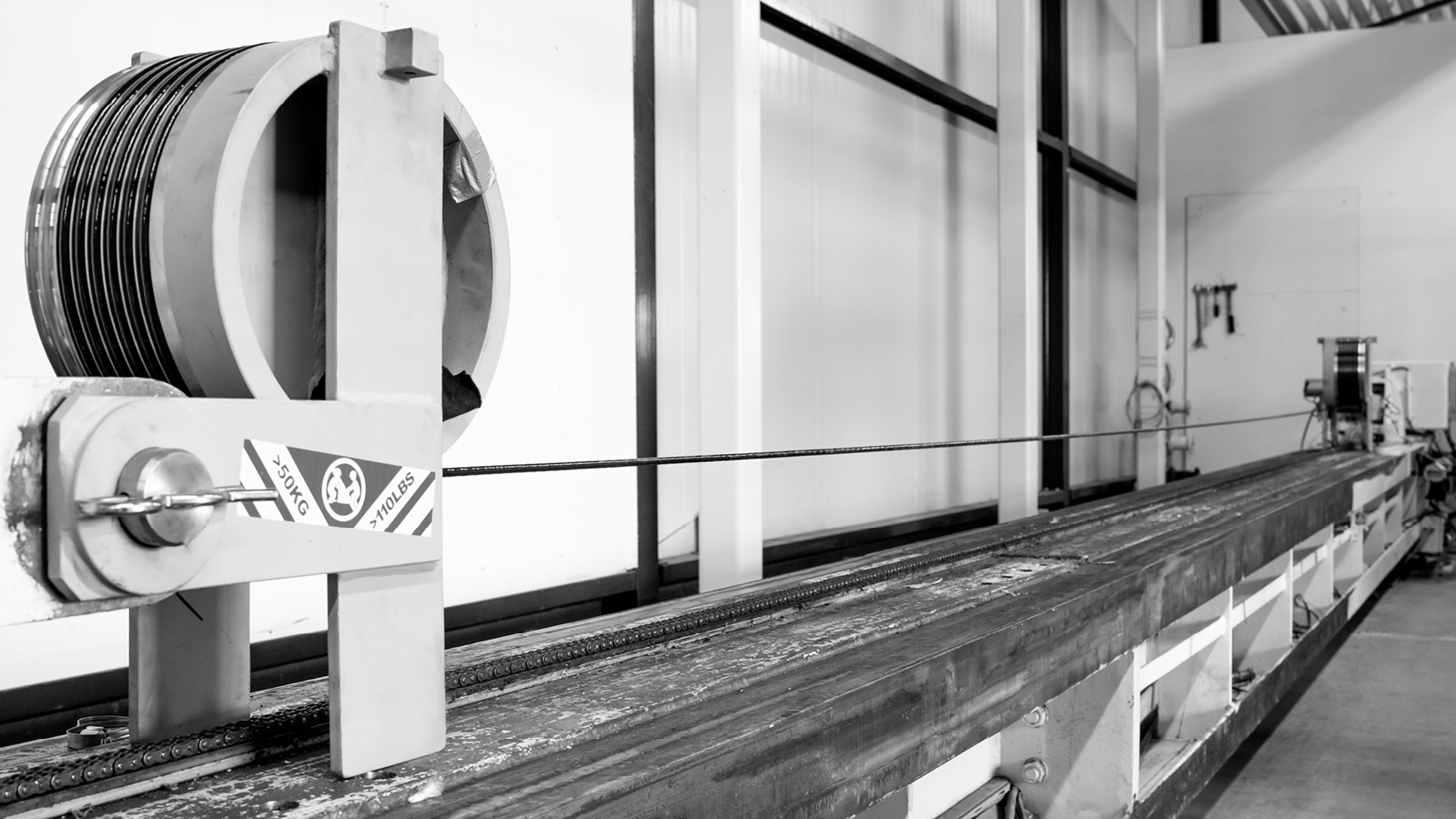
In underwater defense systems, a cable is only as reliable as the qualification behind it. Depth, pressure, tension, bending cycles, temperature swings — every mission profile exposes a subsea cable to extreme forces. That’s why rigorous qualification isn’t a formality. It’s the foundation of operational certainty.
For naval engineers, the real challenge is balancing feasibility, performance, safety margins, and lifecycle cost. Testing plays a key role, but it isn’t always the most efficient starting point. In many cases, analysis or simulation provides the insight needed to advance the design, reserving full-scale testing for the moments when it truly adds value.
Below, we outline the essential qualification tests typically used to validate whether a subsea defense cable is ready for deployment.
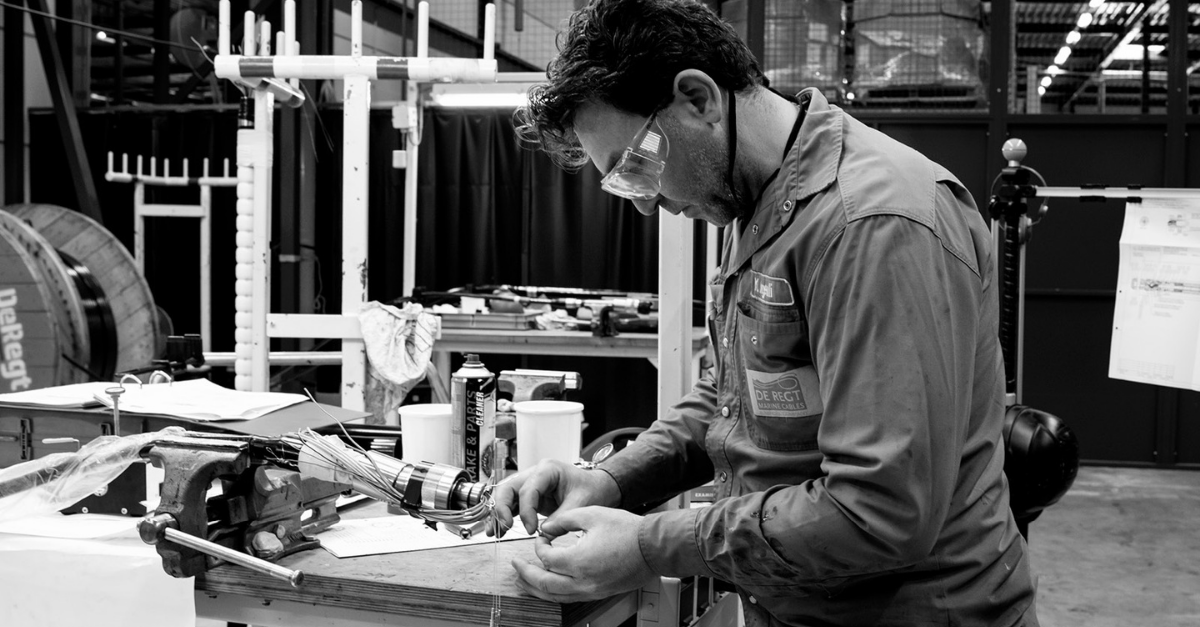
In one of our previous blogs, we mentioned that Survival Load is an important Operational Requirement for naval defense systems. Now it’s time to dive deeper into these requirements.
Every naval defense system must perform reliably. Not just in standard operating conditions, but in the extreme scenarios that push every component to its limits. That’s where Survival Load comes in. It defines how much mechanical, environmental, and operational stress a cable can endure while still protecting the mission.
For defense engineers, understanding and specifying the correct Survival Load is essential. It prevents failure in rare but critical events, reduces uncertainty during integration, and ensures the system can be validated with confidence. Below, we outline what Survival Load really means for subsea defense cables. And how to engineer for it.
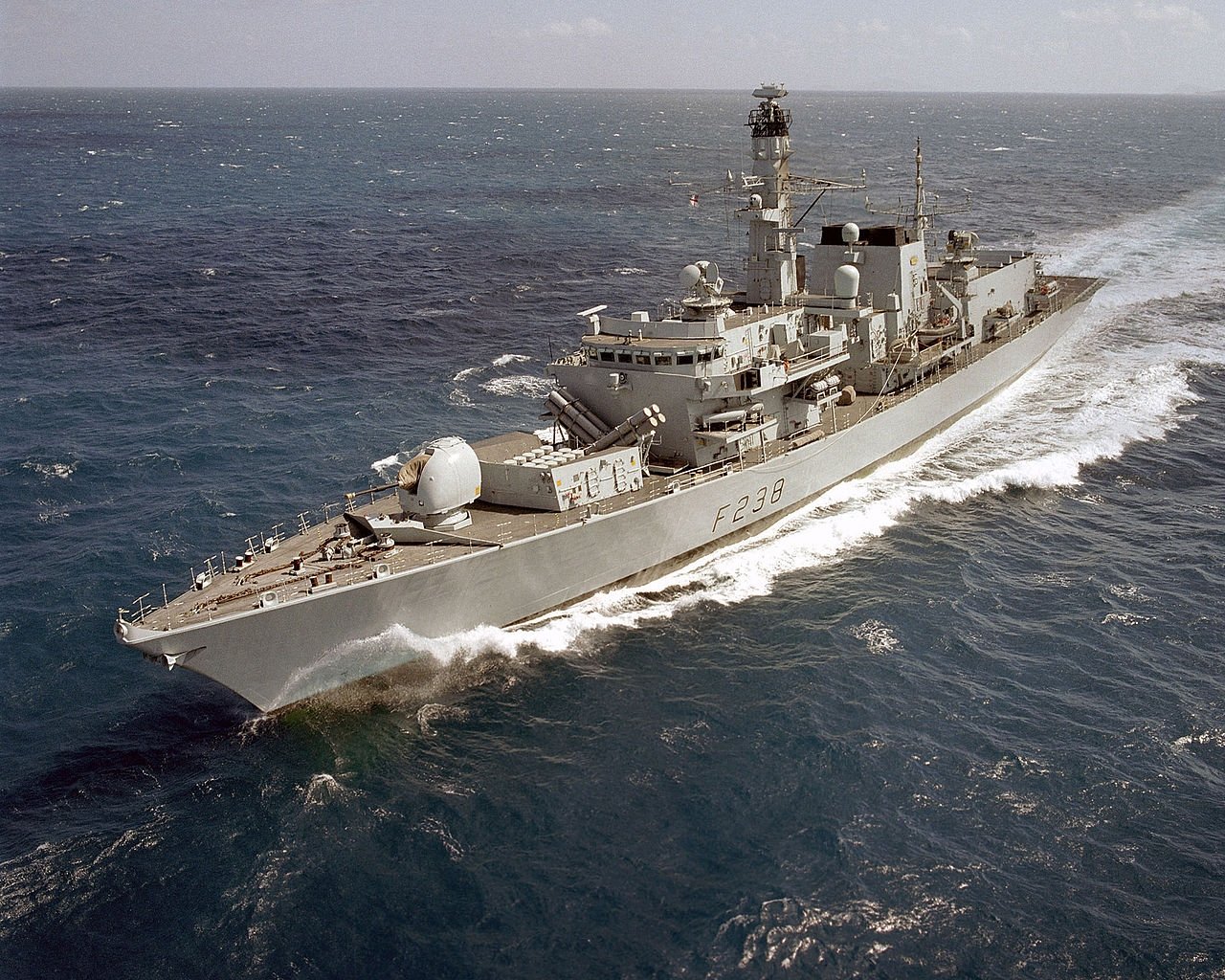
In naval and subsea defense systems, a cable’s strength member isn’t just another component — it’s the backbone of the entire design. The choice you make here determines how well the cable handles tension, dynamic loads, deployment cycles, and the harsh mechanical forces of the open sea. Getting this wrong can compromise performance. Getting it right keeps missions operational, predictable, and safe.
Every sonar, towed system, or naval asset comes with its own operational profile. That’s why selecting the strength member requires a clear understanding of the mechanical demands, environmental conditions, and fatigue behaviour your cable will face. Below, we break down the two primary options and when each type makes sense for mission-critical subsea systems.
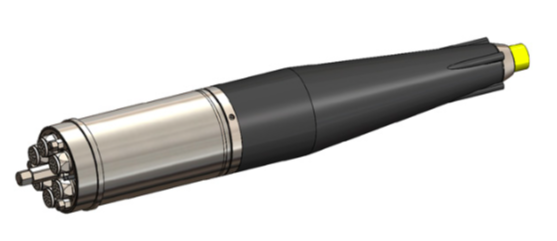
You’ve selected the perfect subsea cable design for your big project, but now the question arises: Which type of cable termination should you use?
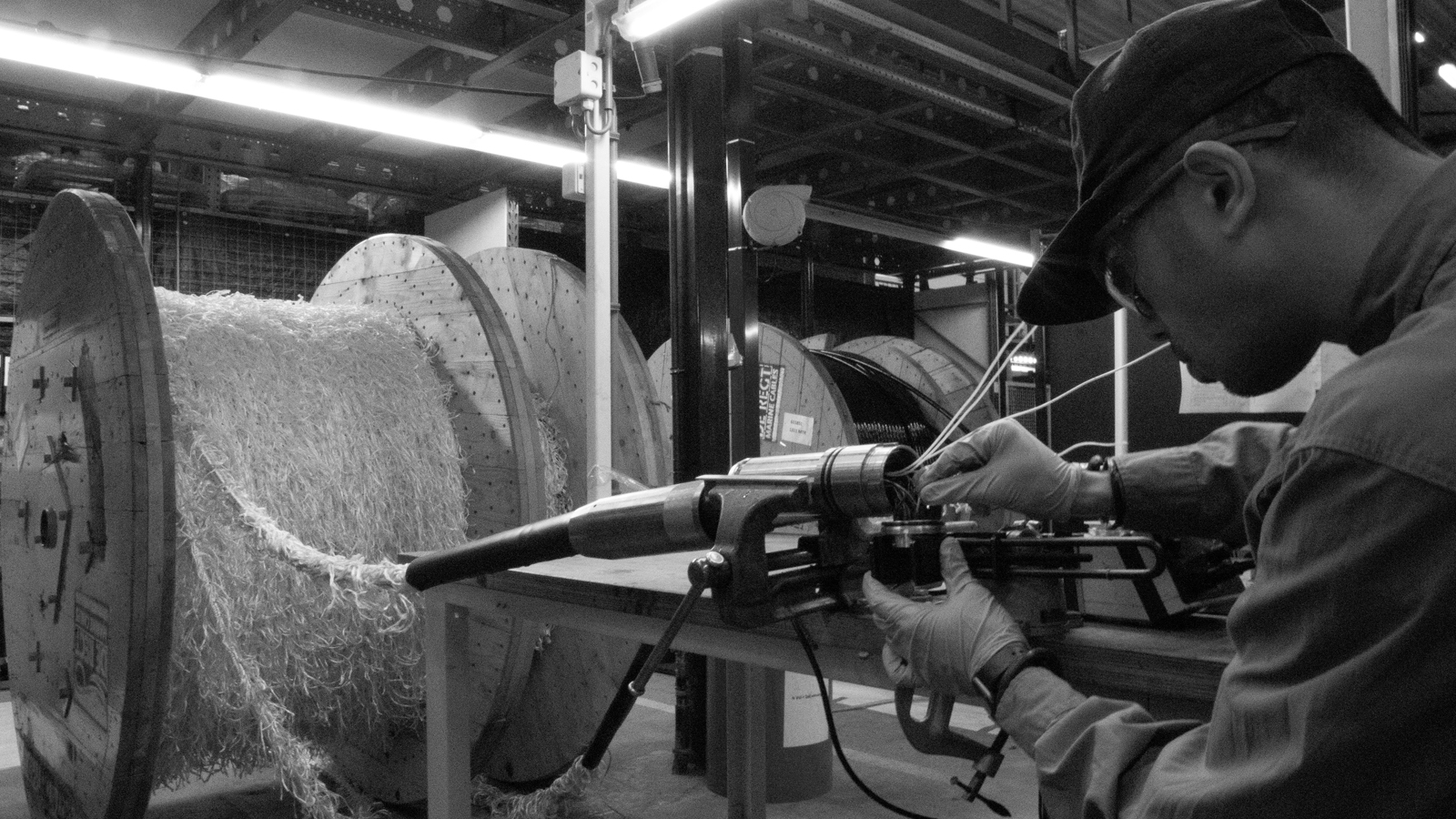
DeRegt works with each individual client to provide the perfect cable solution for their specific requirements. Each cable system by DeRegt is custom-made and this does not only apply to the cables themselves, but the terminations as well.