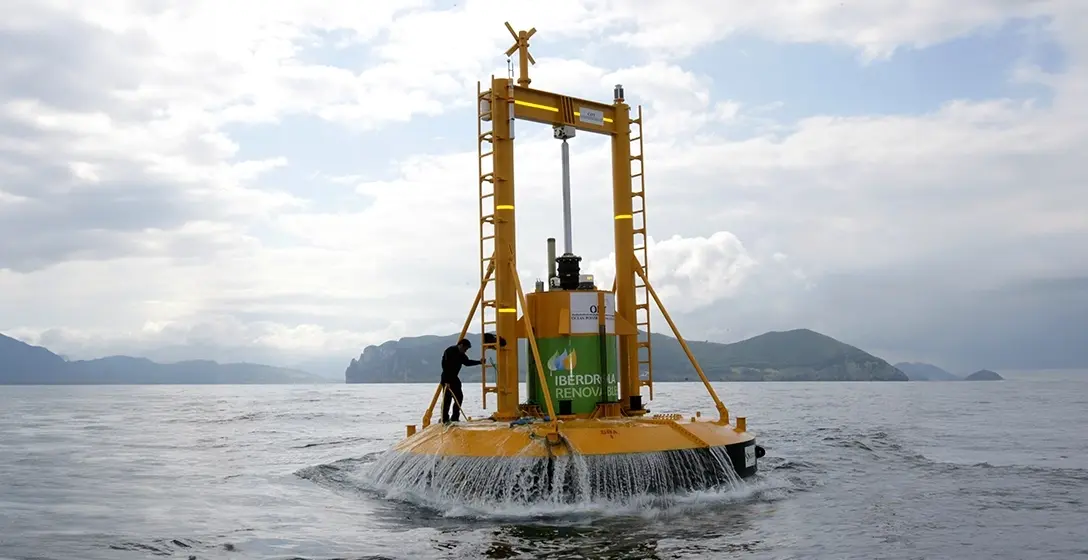
As renewable energy systems move offshore, power transmission becomes one of the most fascinating engineering challenges of our time. From floating wind farms to wave energy converters, the demand for dynamic subsea umbilicals, is growing rapidly.
As renewable energy systems move offshore, power transmission becomes one of the most fascinating engineering challenges of our time. From floating wind farms to wave energy converters, the demand for dynamic subsea umbilicals, is growing rapidly.
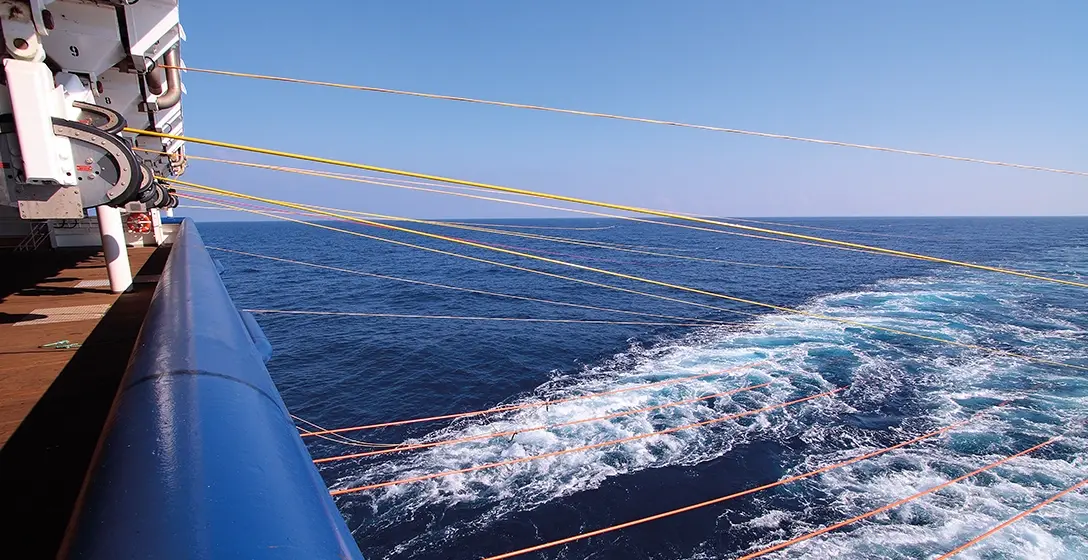
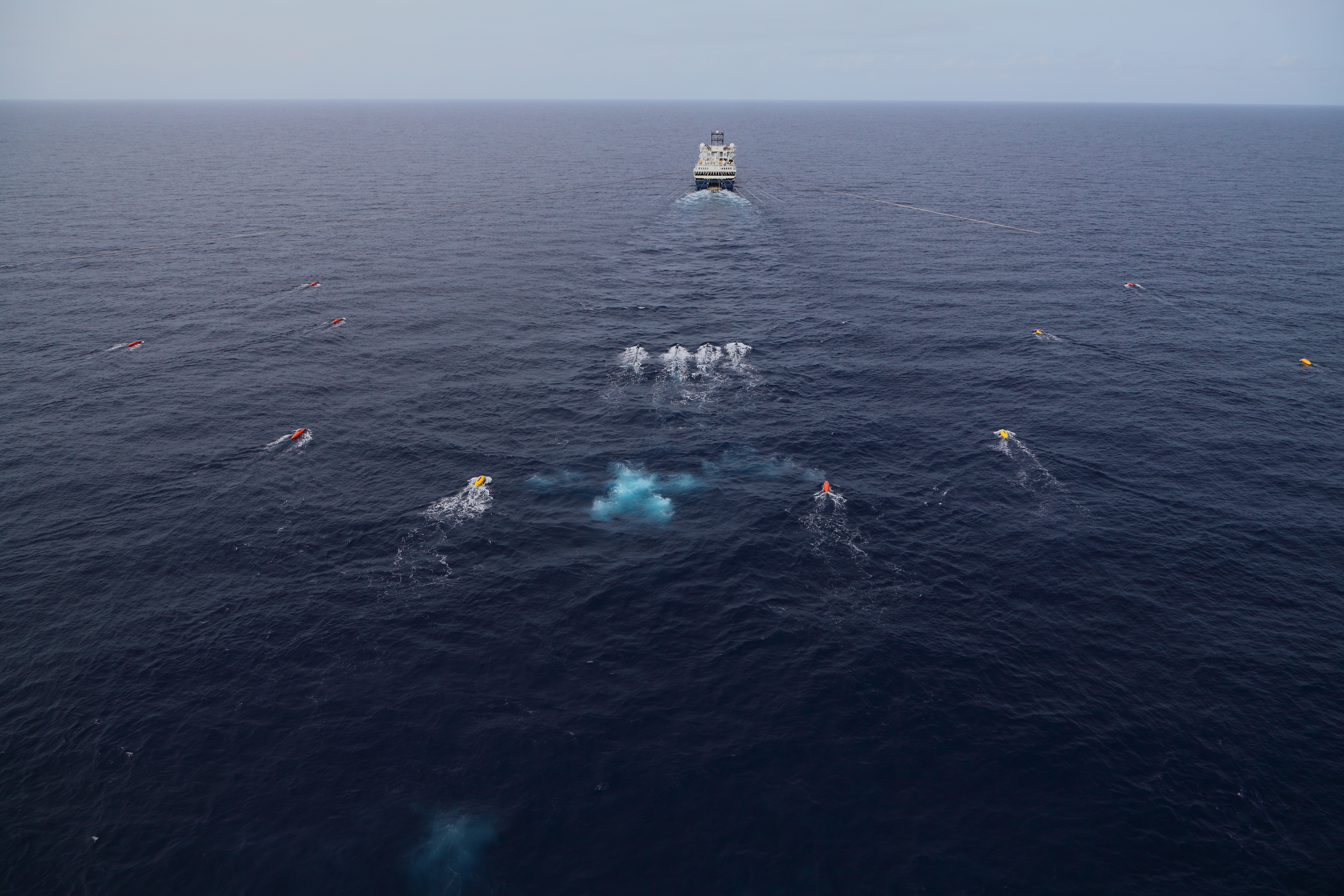
The energy world is changing fast, and engineers are right in the middle of it. As global demand for clean, affordable power rises, industries that rely on stable energy supply face a new challenge: how to expand renewables while keeping the planet cool. To make that possible, governments and energy companies are investing heavily in New Energy technologies. From offshore wind to geothermal and carbon capture. And at the foundation of many of these developments lies one crucial capability: accurate marine seismic surveying.
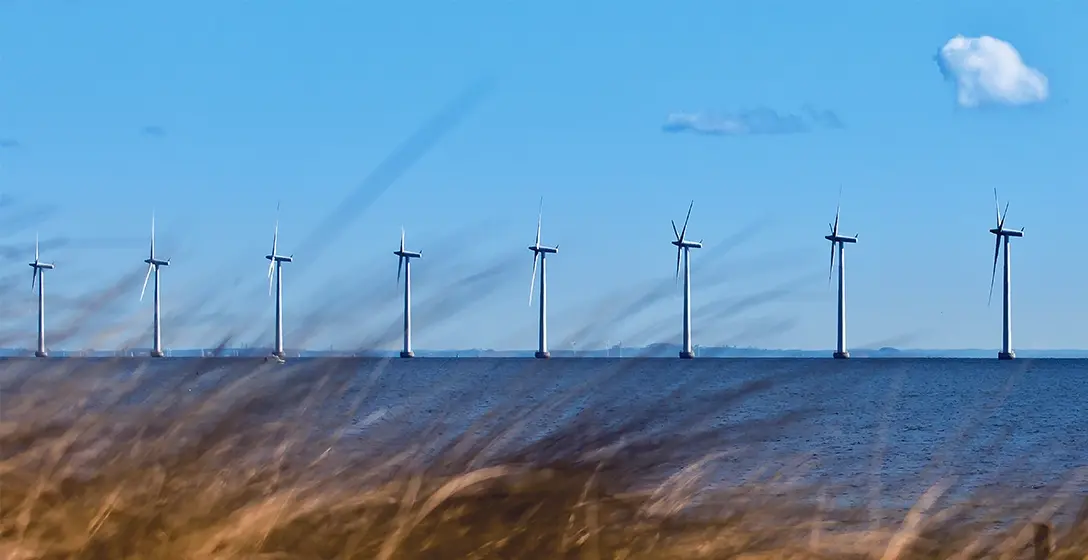
Offshore wind and onshore solar have changed the energy landscape. But they can’t do it all. As the push toward net-zero 2050 accelerates, engineers are looking deeper, quite literally, for consistent, round-the-clock renewable power. The ocean holds the answer. Tidal and wave energy are now stepping into the commercial spotlight, while subsea cables and connectors evolve to handle higher voltages, smarter networks, and longer lifespans. In our trend report (longread: 30 minutes) you can download at the bottom of this blog post, we explore the engineering breakthroughs making marine energy the missing piece in the global clean-power grid. And what it means for cable design, deployment, and reliability. But first, in just 2-3 minutes, let's find out if the trend report is worth your energy and time...
Discover how to turn theory into proven performance under pressure. We've also designed this blog post for an optimum user experience: first, read this blog post in less than 5 minutes, then decide if you want to download the ebook (30-minute-read).
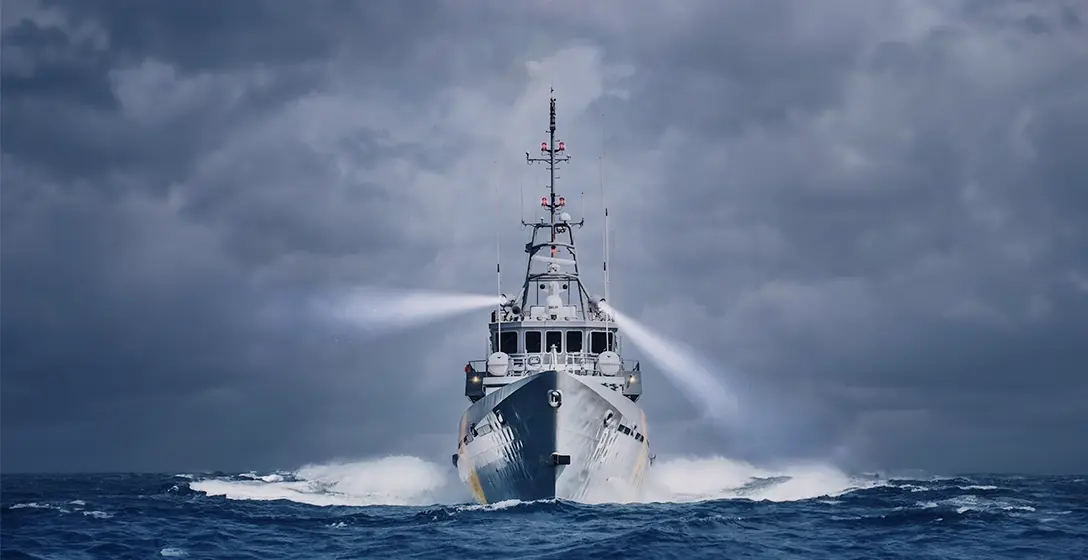
If you’ve ever worked on a subsea project, you’ve probably seen it happen: Two world-class pieces of technology, flawlessly designed, but they never perform as expected once deployed. Why? Often, the weakest link isn’t software, electronics, or hydraulics. It’s the cable termination. That small interface between the umbilical and the equipment carries everything: power, data, tension, and trust. And when it’s not engineered to the same standard as the rest of the system, the deep sea has a way of reminding you. Fast.
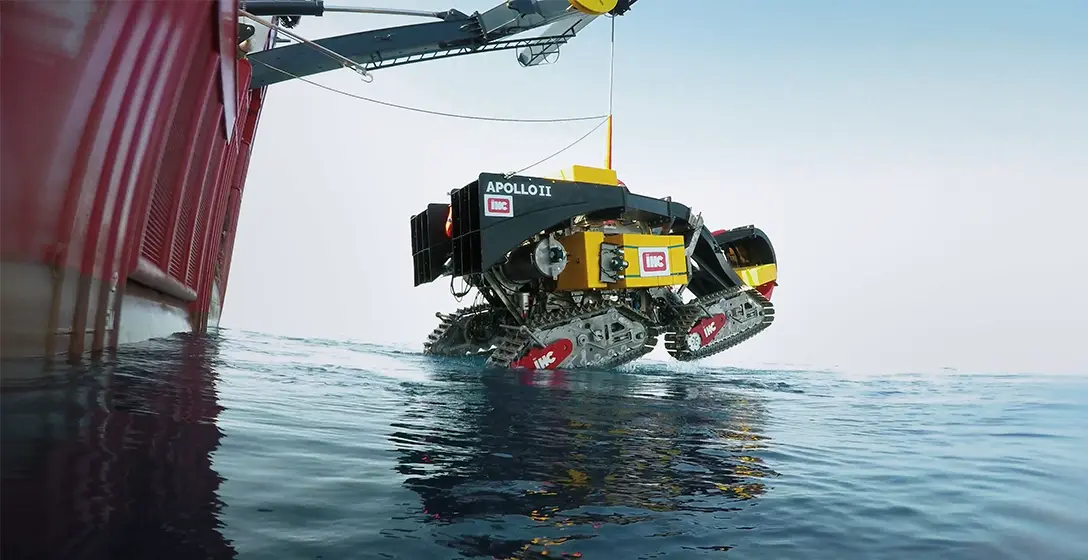
The ROV landscape in 2026 is evolving faster than ever. Electrification, autonomy, and deeper offshore operations are reshaping how subsea missions are powered, controlled, and sustained. Behind every breakthrough stands a silent enabler: the cable. At DeRegt, we see the next generation of ROV systems not just going deeper, but getting smarter, lighter, and more efficient. We like to share these 5 trends that are driving that change.
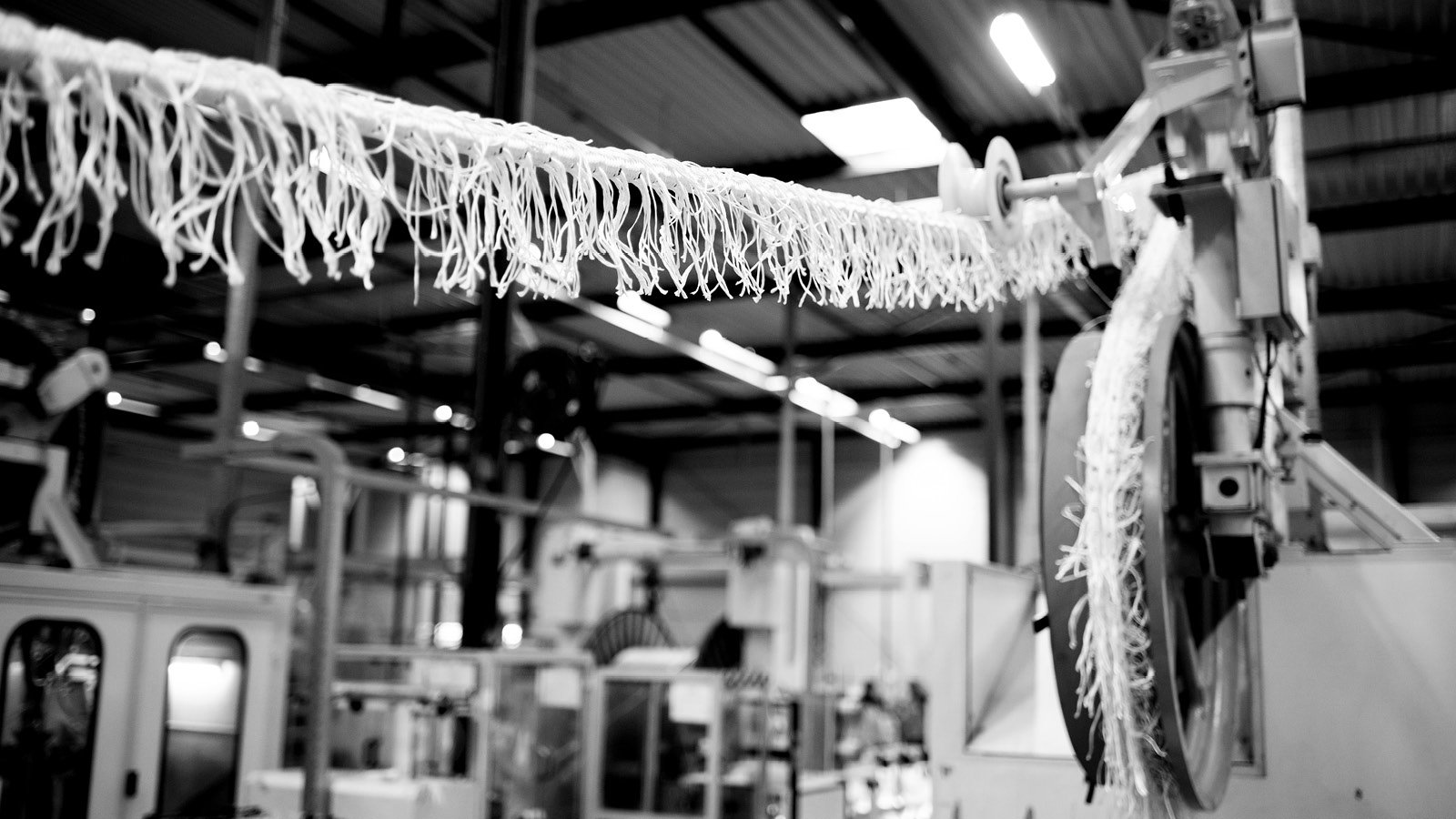
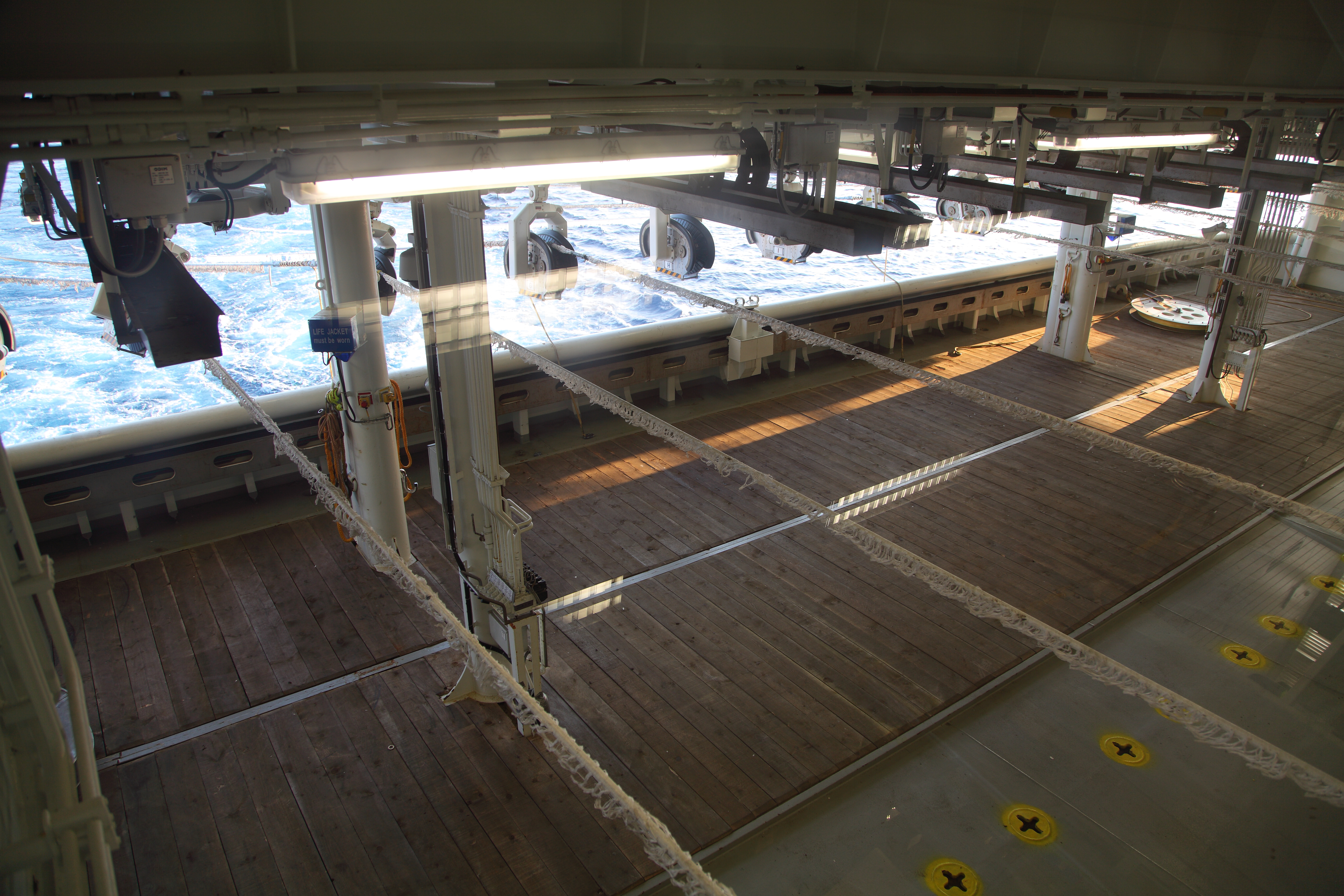
Whenever something moves through water—whether it's a submarine, a sonar system, or a seismic streamer—it has to deal with water resistance. This resistance, known as hydrodynamic drag, affects not only the towed equipment but also the cable that connects it. That drag can slow things down, cause wear, or make it harder to reach the desired towing depth.
To counter these effects, engineers use something called cable fairings. These are smart add-ons that improve the flow of water around the cable, making operations smoother, faster, and more efficient. In this article, we’ll break down what cable fairings are, how they work, and which types might be right for your specific mission.