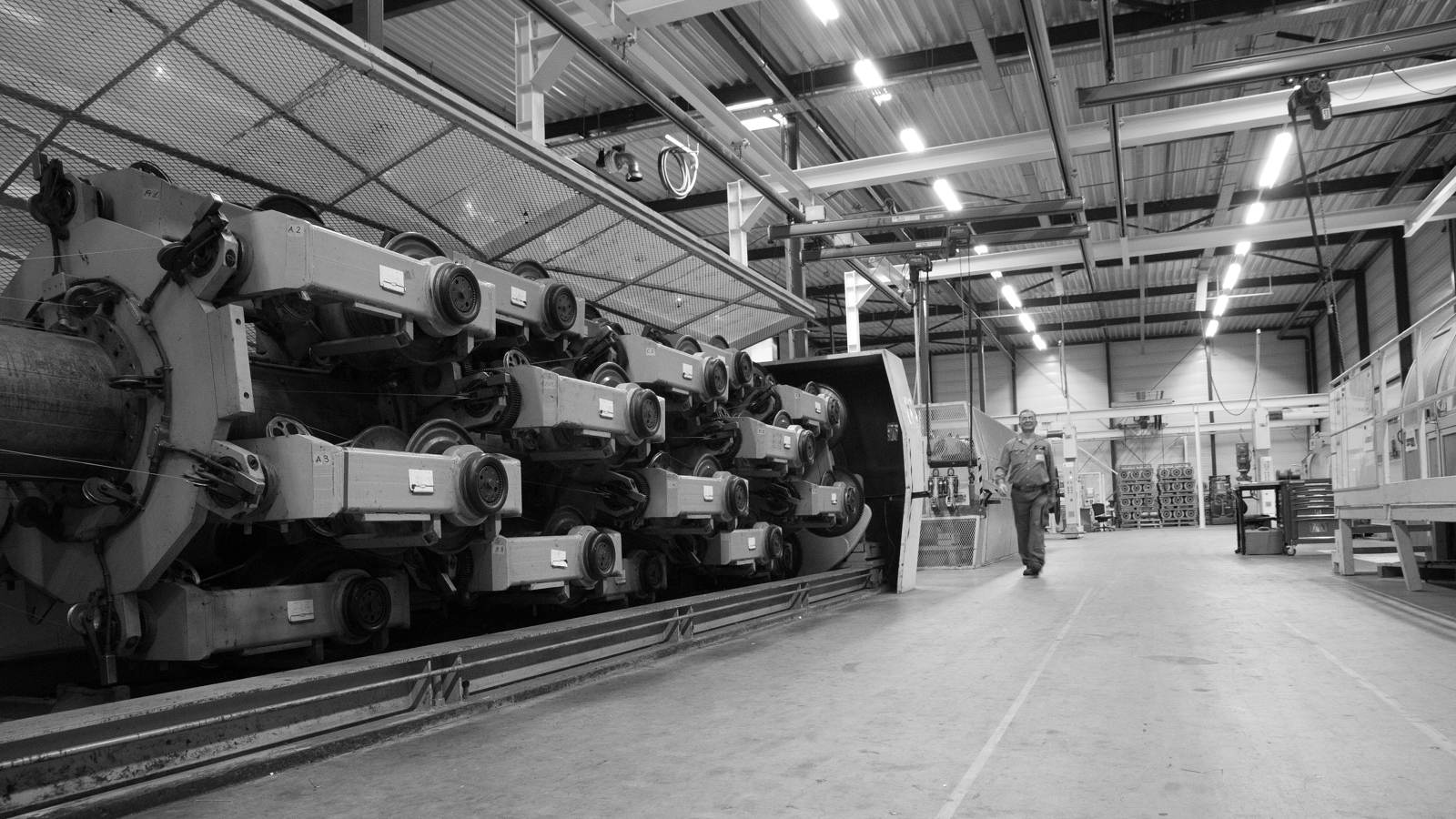
Subsea cables are stored on land and (mainly) used in water. That means the temperature difference between deploying and retrieving can be high. Therefore, controlling the cable's temperature in-field is often a challenge.
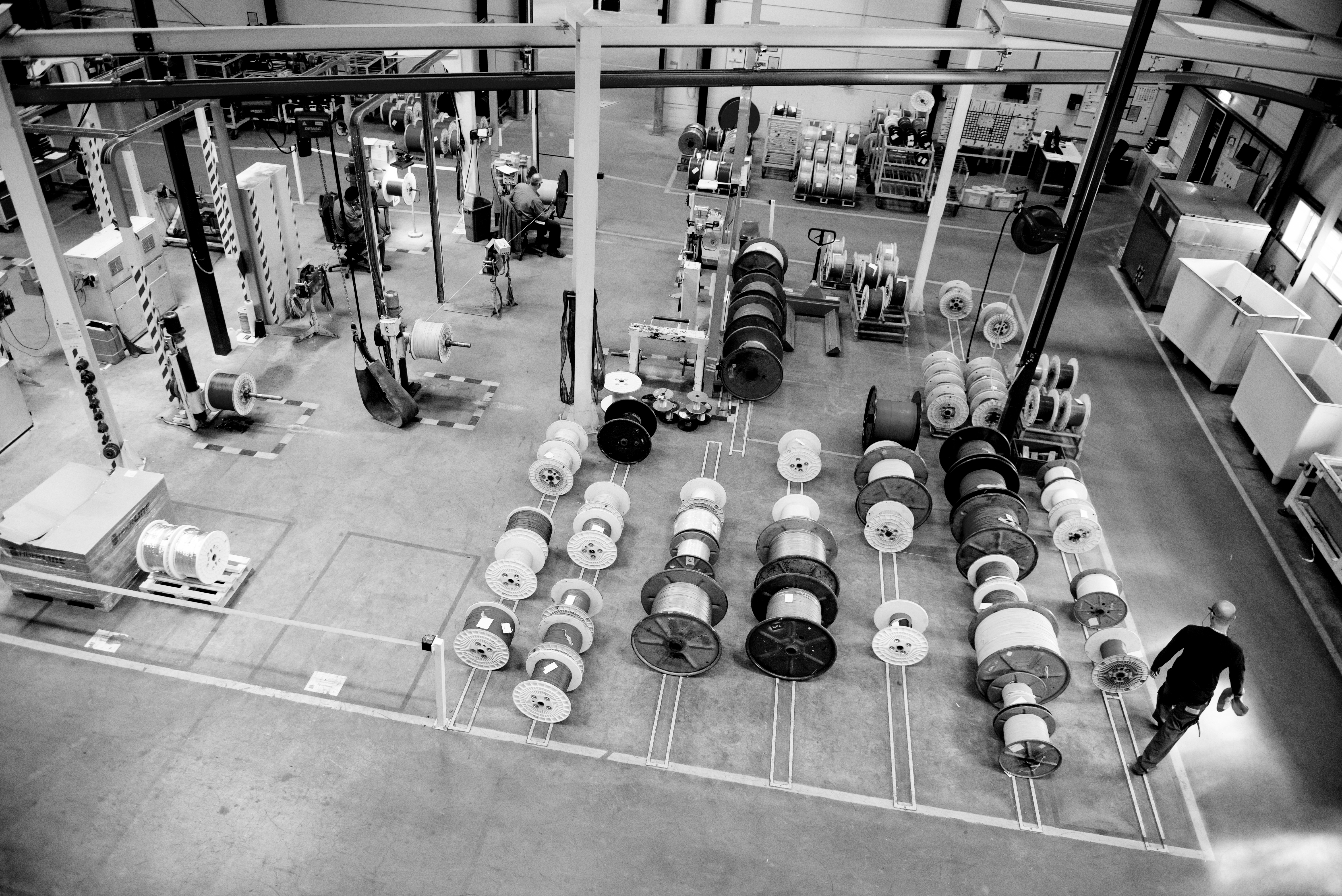
Why is it important to involve your cable supplier early in developing your new product or equipment? At DeRegt, we often see customers who have succeeded in developing an excellent Sonar or ROV system but forget to think of the cables involved or underestimate their complexity.

Following the transition in the energy market, a transition in using ROVs and ROV Cables is also taking place. After all, fossil fuels are finite, and all kinds of ways of generating energy sustainably are currently being sought.
This also applies to the open sea in the form of Ocean Sustainability Projects.
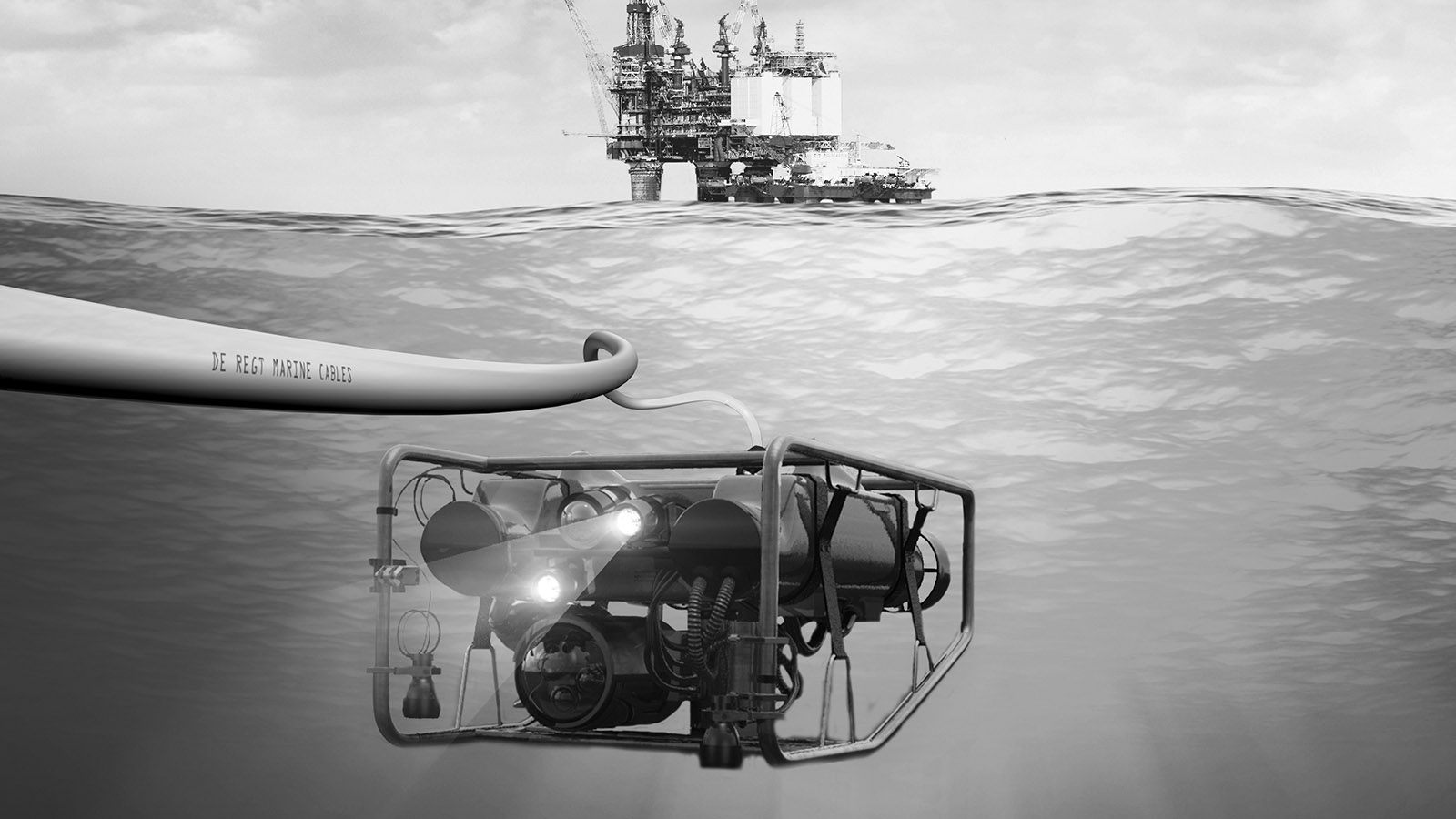
The construction of an ROV umbilical cable is specialized work. The cable must be as compact as possible, but at the same time, components must be able to remain intact while applying load to the cable and while bending and flexing the cable. How should my opto-electrical cable core be constructed to survive the high loads applied while remaining flexible?
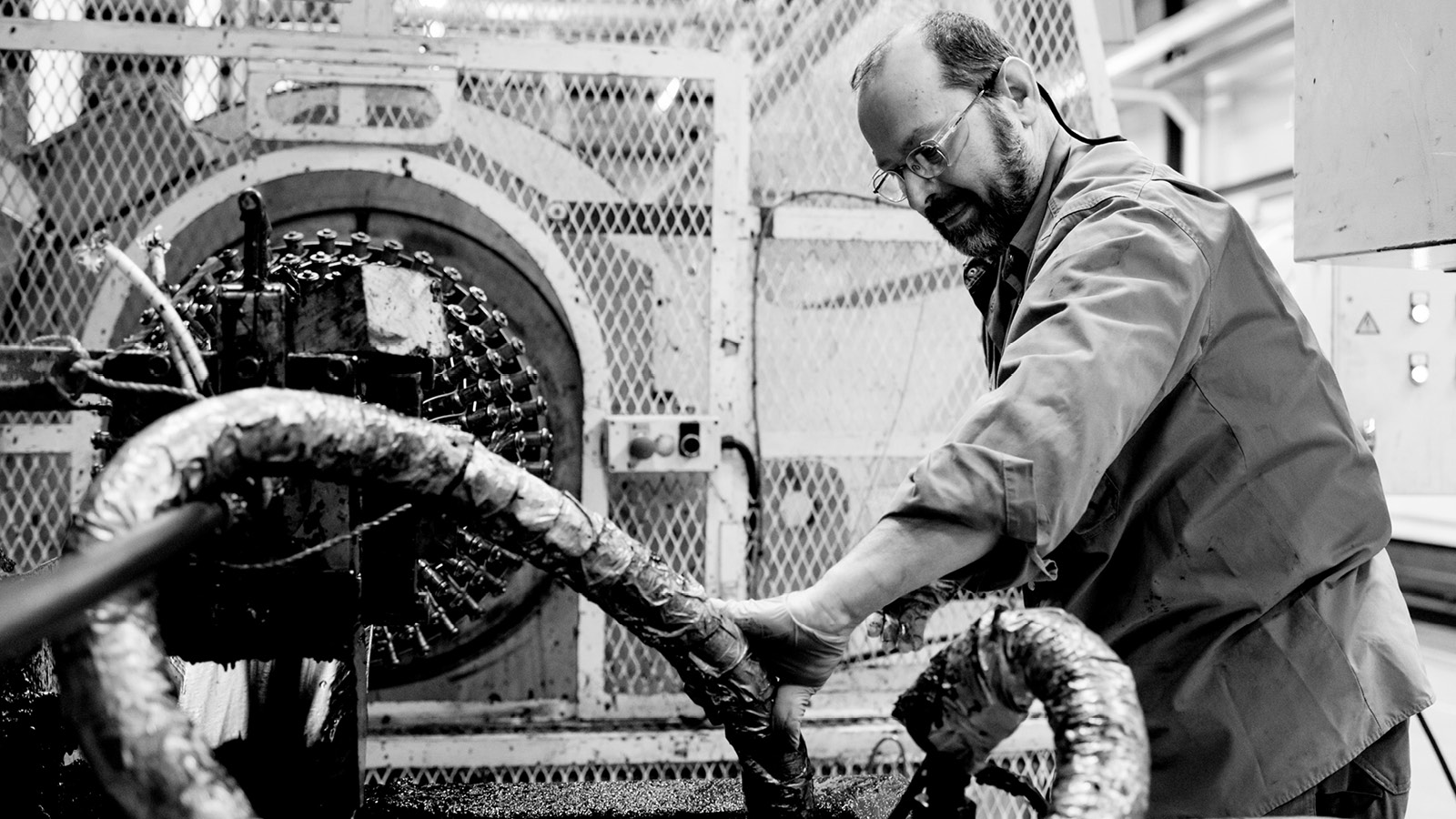
When working with ROVs and ROV cables, it is crucial that your subsea project runs as efficiently as possible. That means minimal downtime and a long life expectancy. However, knowing when your subsea ROV equipment needs to be replaced is also essential.
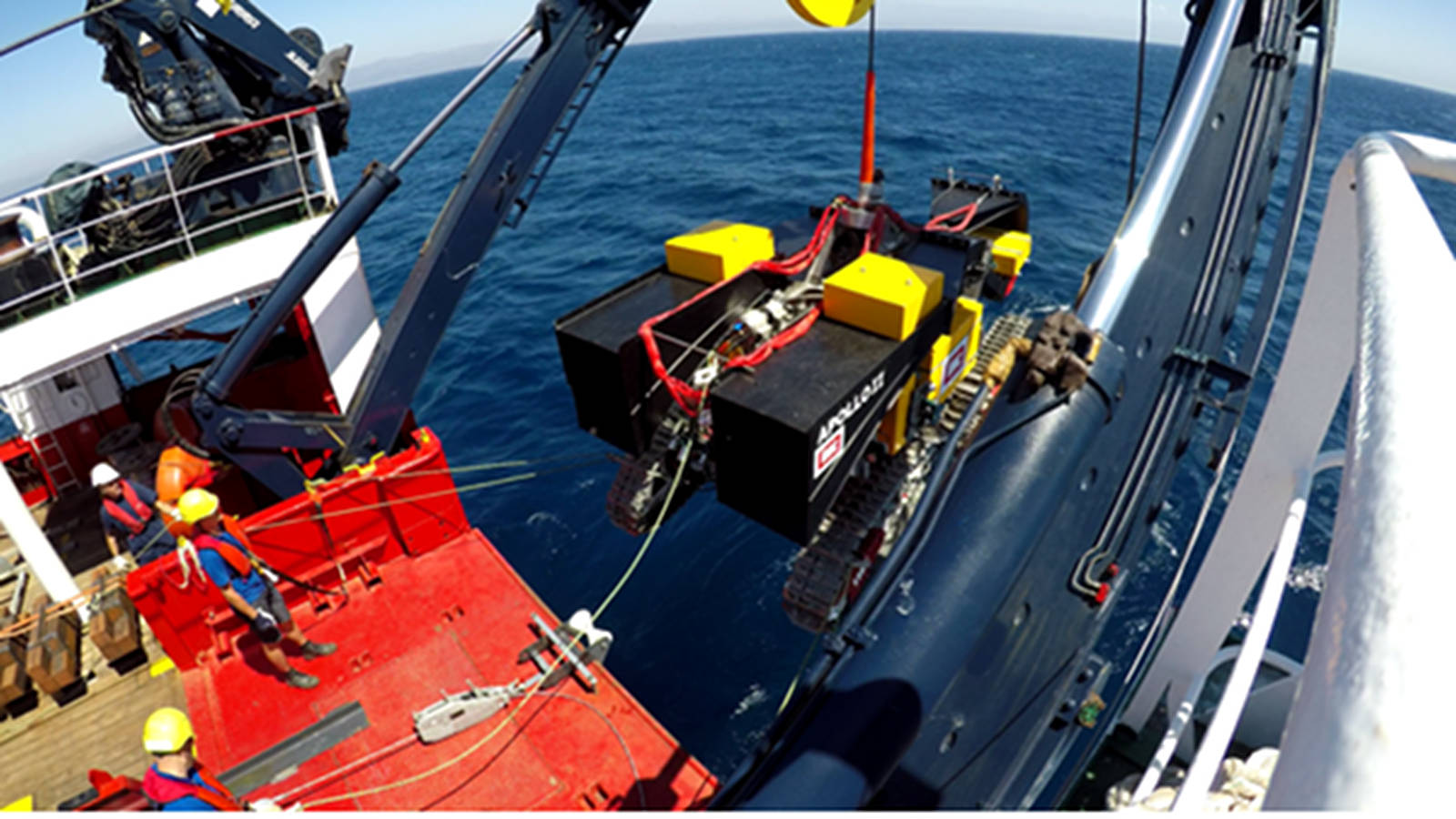
ROVs are used for many different purposes. One thing these machines always have in common is that they need power to do their work. How much power is needed for these subsea connectors and whether data transmission is also required varies per subsea project, but the ROV cable must always be able to transfer some form of power.

As an engineer, your most important goal is to ensure that your subsea project is successful and that all components work properly. However, you often have a strict budget to attend to. Therefore, it is essential to make sure you don't pay too much - or too little. Buying cheap equipment might cost you in the long run, after all.
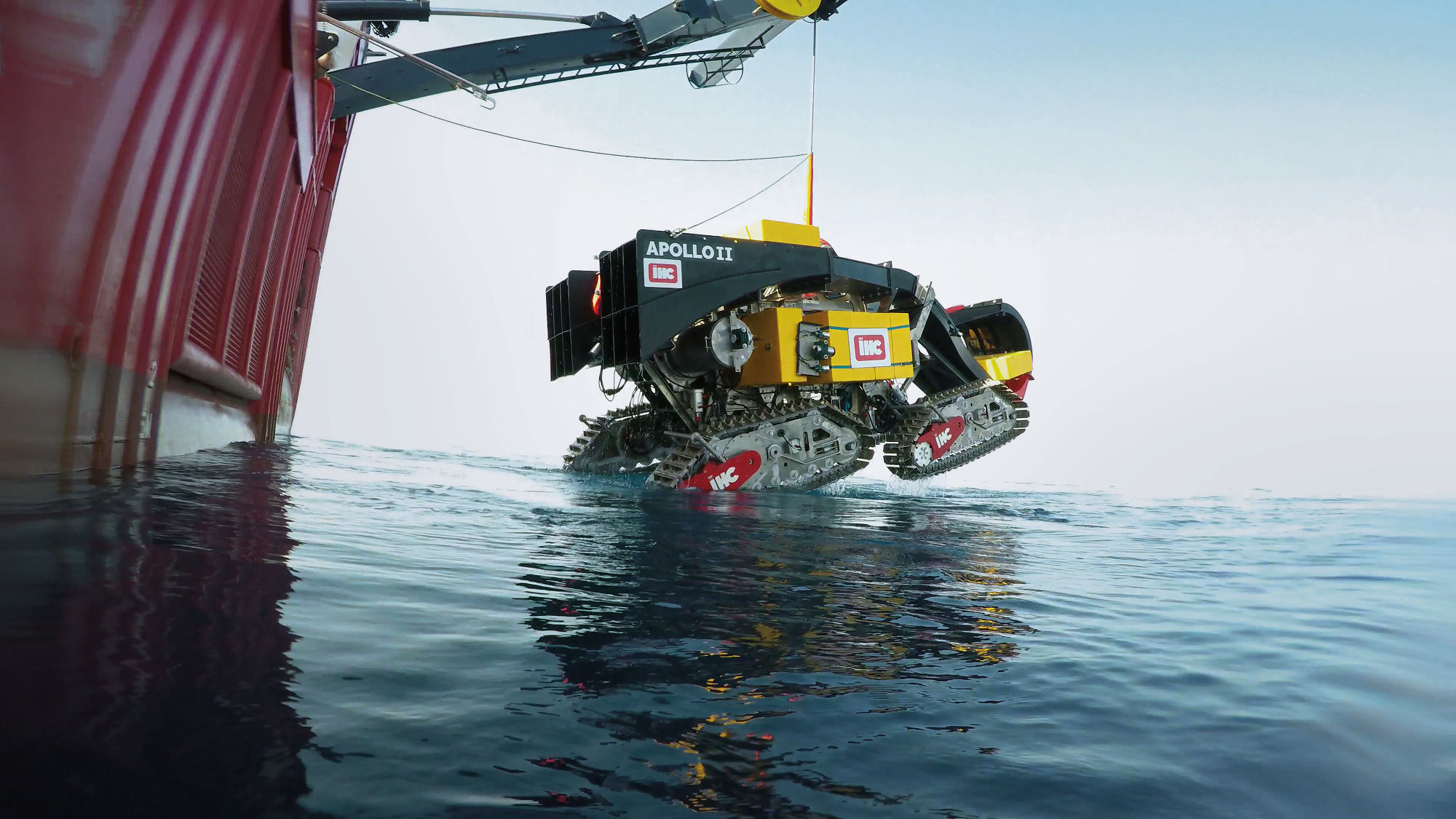
When working with ROV equipment, preventing equipment downtime is crucial for a successful subsea project. This blog will highlight a few standard procedures and tips to keep your ROV cables operational at all times.
.jpg)
To ensure that your ROV Cable lasts as long as possible and downtime is kept to a minimum, certain offshore cable standards must be considered. Two factors of great importance are the stretching and rotation of the cable. These natural forces greatly impact the cable, especially with long cables like ROV Cables.
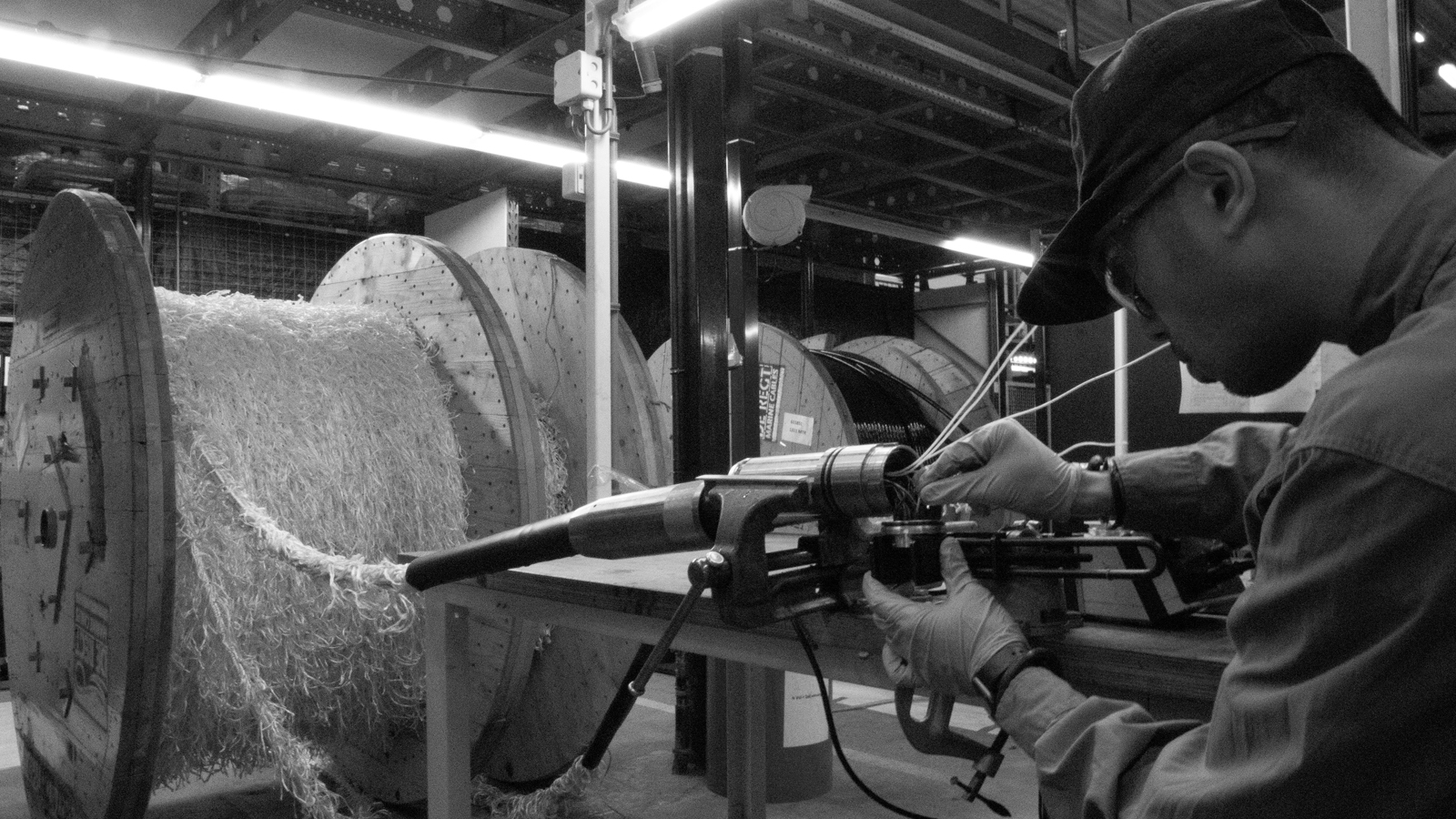
For success in any ROV project, all individual components must perfectly fit to operate together as well as possible. Each component is a small part of something bigger, contributing to the overall construction's success.