<img alt="" src="https://secure.insightful-enterprise-intelligence.com/783910.png" style="display:none;">

Engineering Survival Load for Naval Cable Reliability

Jun 21, 2022 1:39:52 PM / by Manuella Hoogendijk posted in Defense & Security

0 Comments

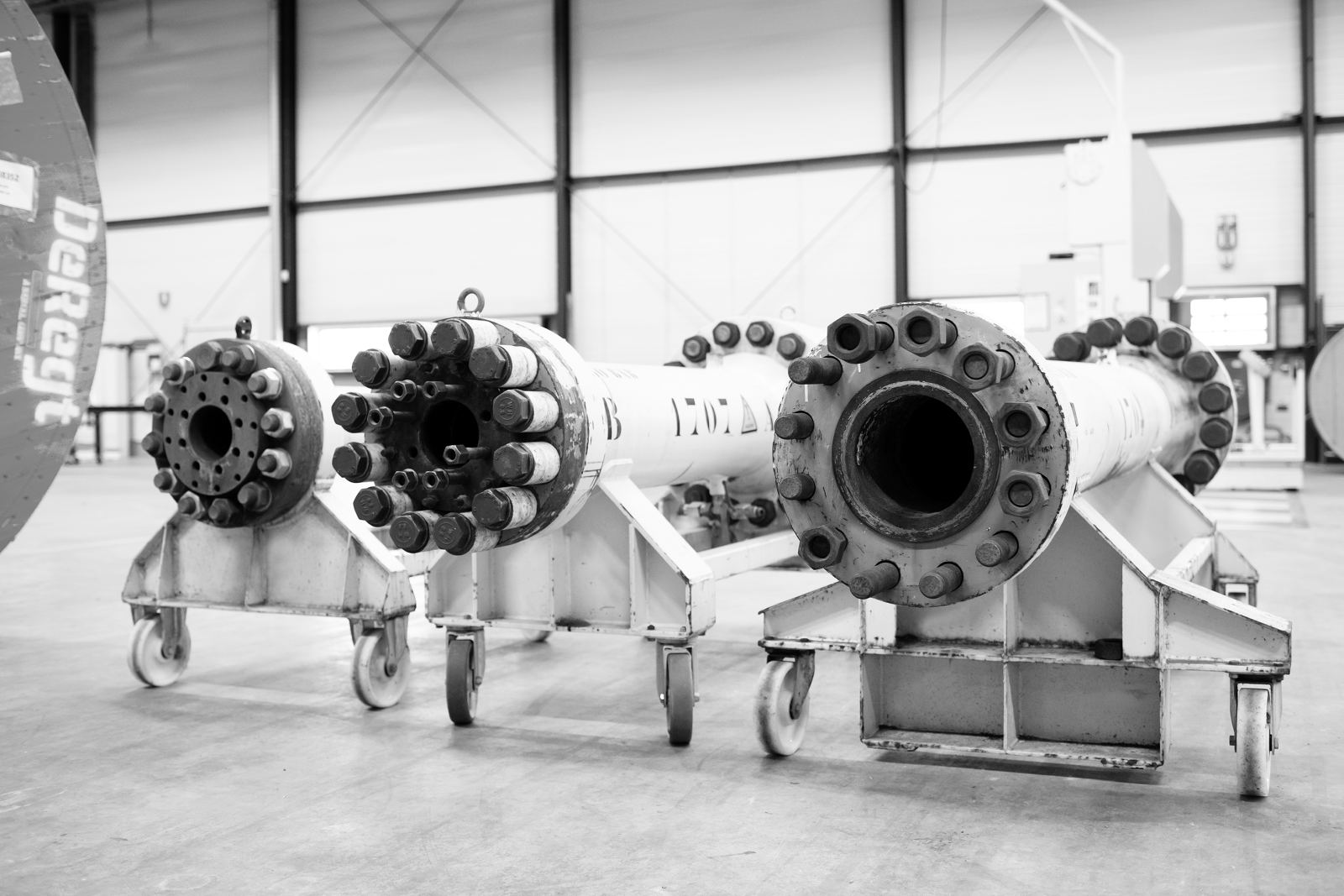
In one of our previous blogs, we mentioned that Survival Load is an important Operational Requirement for naval defense systems. Now it’s time to dive deeper into these requirements.

Every naval defense system must perform reliably. Not just in standard operating conditions, but in the extreme scenarios that push every component to its limits. That’s where Survival Load comes in. It defines how much mechanical, environmental, and operational stress a cable can endure while still protecting the mission.

For defense engineers, understanding and specifying the correct Survival Load is essential. It prevents failure in rare but critical events, reduces uncertainty during integration, and ensures the system can be validated with confidence. Below, we outline what Survival Load really means for subsea defense cables. And how to engineer for it.
Read More

How To Choose The Right Strength Member For Naval Cables

Jun 14, 2022 12:46:26 PM / by Manuella Hoogendijk posted in Defense & Security

0 Comments

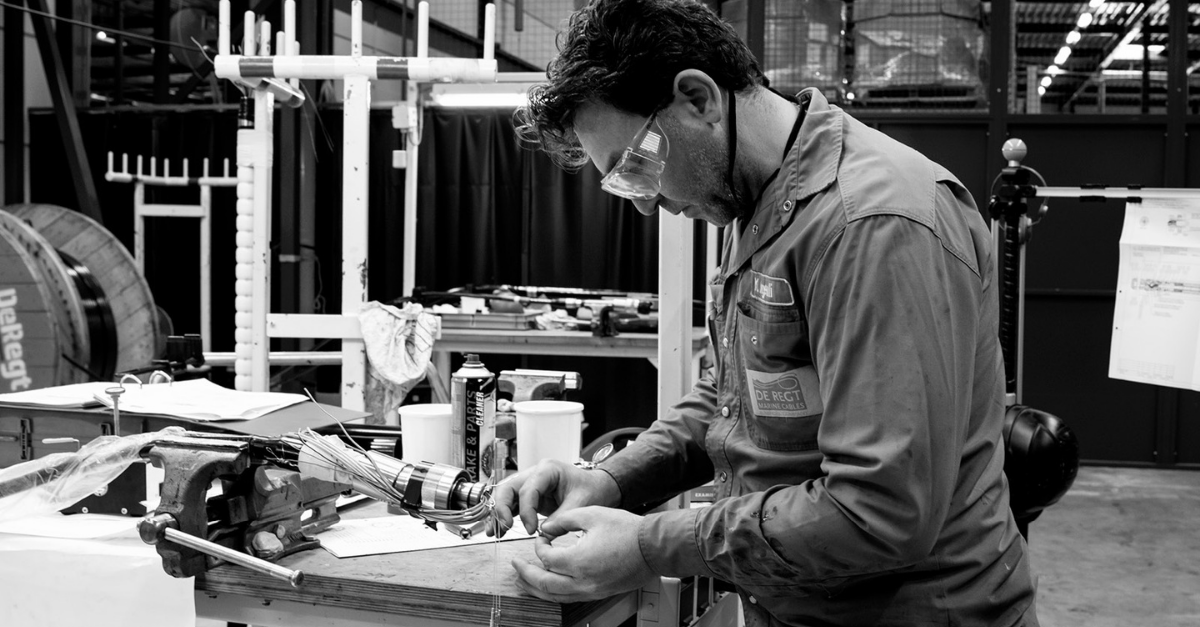
In naval and subsea defense systems, a cable’s strength member isn’t just another component — it’s the backbone of the entire design. The choice you make here determines how well the cable handles tension, dynamic loads, deployment cycles, and the harsh mechanical forces of the open sea. Getting this wrong can compromise performance. Getting it right keeps missions operational, predictable, and safe.

Every sonar, towed system, or naval asset comes with its own operational profile. That’s why selecting the strength member requires a clear understanding of the mechanical demands, environmental conditions, and fatigue behaviour your cable will face. Below, we break down the two primary options and when each type makes sense for mission-critical subsea systems.

Read More

How Naval Sonar Systems Really Work

Jun 14, 2022 12:44:45 PM / by Nicole van Leeuwen-Becht posted in Defense & Security

0 Comments

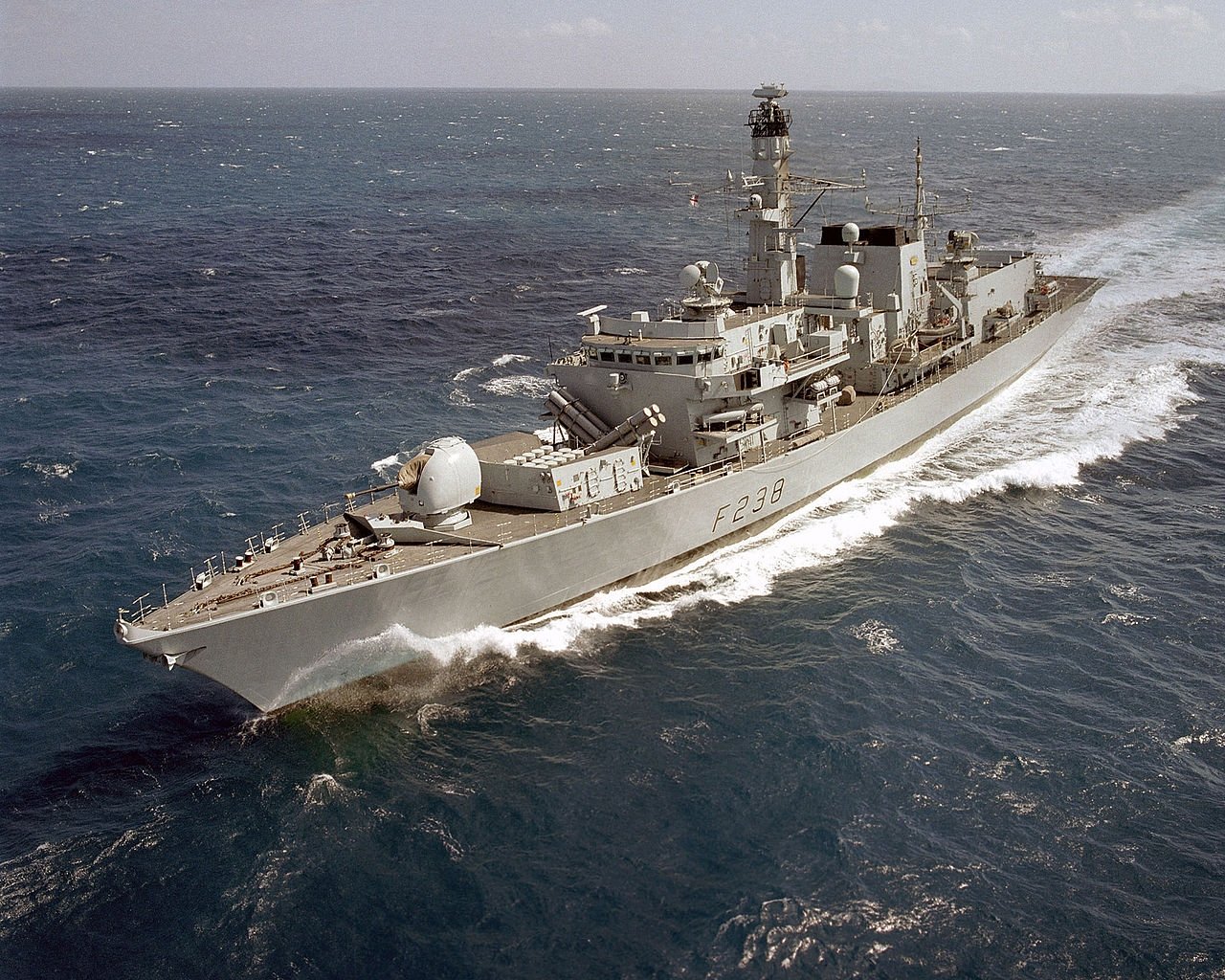
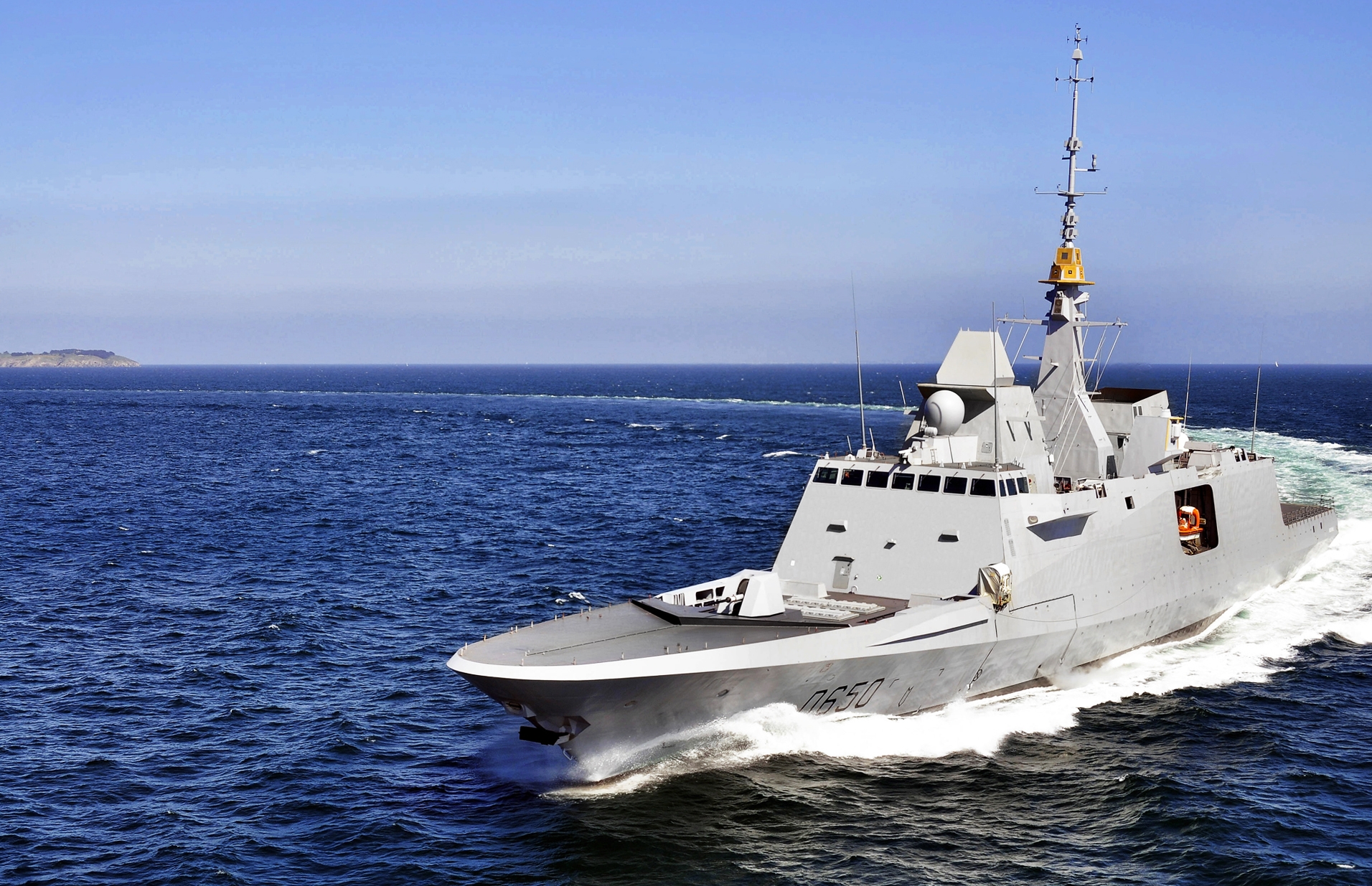
Modern naval operations rely on sonar systems that perform flawlessly in some of the harshest underwater environments on Earth. Whether tracking quiet submarines or supporting long-range surveillance, the cable system connecting each sonar to the vessel plays a critical role in reliability, accuracy, and mission readiness.

But not all sonar systems work the same. And the choice between Variable Depth Sonar (VDS) and Towed Array Sonar (TAS) isn’t just a matter of range or sensitivity — it defines the hydrodynamic, mechanical, and operational stresses your subsea cable must withstand. That’s why understanding these system types is essential for any naval engineer, platform integrator, or defense team designing or selecting a new sonar solution.

Below, we outline the core differences between VDS and Towed Array systems, the operational demands they create, and how these factors influence the design and performance of their subsea cables.


Read More

7 mechanical tests for marine cables and your subsea project

Apr 26, 2019 12:36:41 PM / by Sander van Leeuwen posted in Remotely Operated Vehicles, Energy, Defense & Security

0 Comments

There are many aspects to designing a dynamic cable. For example, a cable can be meant to move while in use, as happens when towing or because of wave motion. Other aspects are things like torque balancing, the load versus elongation properties, the crush resistance and fatigue life.

Read More

Check out our number one priority: health and safety

Apr 17, 2019 4:43:05 PM / by Jeroen Romijn posted in Remotely Operated Vehicles, Energy, Defense & Security

0 Comments

Like every company, we’re in business to make a profit. But not at any expense. And certainly not at the expense of our employees, assets, the environment and communities. So how do we work? What principles do we live by? We covered them all in our recent Health and Safety Day. See for yourself by watching the video.

Read More